
Graniitti on magmakivilaji, jota louhitaan sen äärimmäisen lujuuden, tiheyden, kestävyyden ja korroosionkestävyyden vuoksi. Mutta graniitti on myös erittäin monipuolinen – se ei sovellu vain neliöihin ja suorakulmioihin! Itse asiassa työskentelemme luottavaisin mielin säännöllisesti graniittikomponenttien kanssa, joita suunnitellaan kaikenlaisissa muodoissa, kulmissa ja käyrissä – erinomaisin tuloksin.
Huippuluokan prosessointimenetelmämme ansiosta leikatut pinnat voivat olla poikkeuksellisen tasaisia. Nämä ominaisuudet tekevät graniitista ihanteellisen materiaalin mittatilaustyönä tehtyjen konealustojen ja mittauskomponenttien valmistukseen. Graniitti on:
■ työstettävä
■ täsmälleen tasainen leikattuina ja viimeisteltyinä
■ ruostumaton
■ kestävä
■ pitkäikäinen
Graniittikomponentit on myös helppo puhdistaa. Kun luot räätälöityjä malleja, muista valita graniitti sen ylivoimaisten etujen vuoksi.
STANDARDIT / KORKEAN KULUTUSRASIAN SOVELLUKSET
ZHHIMG:n vakiopintalevytuotteissamme käyttämässä graniitissa on korkea kvartsipitoisuus, mikä tarjoaa paremman kestävyyden kulumiselle ja vaurioille. Superior Black -väreillämme on alhainen vedenimeytymisnopeus, mikä minimoi tarkkuusmittareiden ruostumisen mahdollisuuden levyille kiinnitettäessä. ZHHIMG:n tarjoamat graniittivärit vähentävät heijastuksia, mikä tarkoittaa vähemmän silmien rasitusta levyjä käyttäville. Olemme valinneet graniittityypit ottaen huomioon lämpölaajenemisen pyrkiessämme minimoimaan tämän näkökohdan.
MUKAUTETUT SOVELLUKSET
Kun sovelluksesi vaatii levyä, jossa on mukautettuja muotoja, kierteitettyjä inserttejä, uria tai muuta työstöä, valitse materiaaliksi esimerkiksi musta Jinan Black. Tämä luonnonmateriaali tarjoaa erinomaisen jäykkyyden, erinomaisen tärinänvaimennuksen ja paremman työstettävyyden.
On tärkeää huomata, että pelkkä väri ei ole osoitus kiven fyysisistä ominaisuuksista. Yleisesti ottaen graniitin väri liittyy suoraan mineraalien läsnäoloon tai puuttumiseen, joilla ei välttämättä ole vaikutusta ominaisuuksiin, jotka tekevät hyvästä pintalevymateriaalista hyvän. On olemassa vaaleanpunaisia, harmaita ja mustia graniitteja, jotka sopivat erinomaisesti pintalevyihin, sekä mustia, harmaita ja vaaleanpunaisia graniitteja, jotka eivät sovellu lainkaan tarkkuussovelluksiin. Graniitin kriittiset ominaisuudet, jotka liittyvät sen käyttöön pintalevymateriaalina, eivät liity mitenkään väriin, ja ne ovat seuraavat:
■ Jäykkyys (kuormituksen alainen taipuma - ilmaistaan kimmokertoimella)
■ Kovuus
■ Tiheys
■ Kulumiskestävyys
■ Vakaus
■ Huokoisuus
Olemme testanneet useita graniittimateriaaleja ja verranneet niitä. Lopulta päädyimme tulokseen, että Jinanin musta graniitti on paras materiaali, jonka olemme koskaan tunteneet. Intialainen musta graniitti ja eteläafrikkalainen graniitti ovat samankaltaisia kuin Jinanin musta graniitti, mutta niiden fyysiset ominaisuudet ovat heikommat. ZHHIMG jatkaa uusien graniittimateriaalien etsimistä maailmasta ja vertailee niiden fysikaalisia ominaisuuksia.
Jos haluat keskustella lisää projektiisi sopivasta graniitista, ota meihin yhteyttäinfo@zhhimg.com.
Eri valmistajat käyttävät erilaisia standardeja. Maailmassa on monia standardeja.
DIN-standardi, ASME B89.3.7-2013 tai liittovaltion eritelmä GGG-P-463c (graniittipintalevyt) ja niin edelleen niiden eritelmien perustana.
Ja voimme valmistaa graniittista tarkkuustarkastuslevyä tarpeidesi mukaan. Ota yhteyttä, jos haluat lisätietoja muista standardeista.
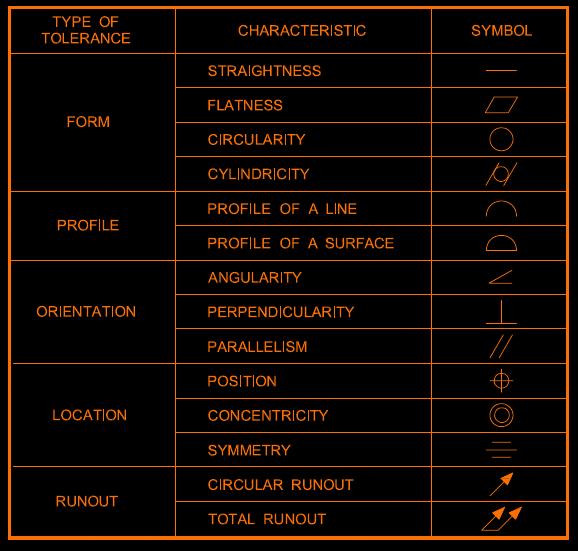
Tasaisuus voidaan tulkita siten, että kaikki pinnan pisteet ovat kahden yhdensuuntaisen tason, pohjatason ja kattotason, sisällä. Tasojen välisen etäisyyden mittaus on pinnan kokonaistasaisuus. Tähän tasaisuusmittaukseen liittyy yleensä toleranssi ja se voi sisältää luokkamerkinnän.
Esimerkiksi kolmen standardilaadun tasaisuustoleranssit on määritelty liittovaltion eritelmässä seuraavan kaavan mukaisesti:
■ Laboratoriolaatuinen AA = (40 + lävistäjän potenssi / 25) x 0,000001" (yksipuolinen)
■ Tarkastusluokka A = Laboratorioluokka AA x 2
■ Työkaluhuoneen luokka B = Laboratorioluokka AA x 4.
Vakiokokoisille pintalevyille takaamme tasaisuustoleranssit, jotka ylittävät tämän spesifikaation vaatimukset. Tasaisuuden lisäksi ASME B89.3.7-2013 ja liittovaltion spesifikaatio GGG-P-463c käsittelevät aiheita, kuten: toistuvien mittausten tarkkuus, pintalevygraniittien materiaaliominaisuudet, pinnan viimeistely, tukipisteiden sijainti, jäykkyys, hyväksyttävät tarkastusmenetelmät, kierteitettyjen inserttien asennus jne.
ZHHIMG-graniittipintalevyt ja graniittitarkastuslevyt täyttävät tai ylittävät kaikki tässä eritelmässä esitetyt vaatimukset. Tällä hetkellä ei ole olemassa määrittelevää eritelmää graniittisille kulmalevyille, rinnakkaisille levyille tai pääneliöille.
Ja muiden standardien kaavat löytyvät kohdastaLATAA.
Ensinnäkin on tärkeää pitää levy puhtaana. Ilmassa leijuva hiomapöly on yleensä suurin levyn kulumisen aiheuttaja, koska se pyrkii tarttumaan työkappaleisiin ja mittareiden kosketuspintoihin. Toiseksi, peitä levy suojataksesi sitä pölyltä ja vaurioilta. Kulutusikää voidaan pidentää peittämällä levy, kun sitä ei käytetä, kääntämällä levyä säännöllisesti, jotta yksittäinen alue ei saa liikaa käyttöä, ja vaihtamalla mittauslaitteiden teräksiset kosketuspinnat kovametallipintoihin. Vältä myös ruoan tai virvoitusjuomien asettamista lautaselle. Huomaa, että monet virvoitusjuomat sisältävät joko hiili- tai fosforihappoa, joka voi liuottaa pehmeämpiä mineraaleja ja jättää pieniä kuoppia pintaan.
Tämä riippuu siitä, miten lautasta käytetään. Suosittelemme lautasen puhdistamista mahdollisuuksien mukaan päivän (tai työvuoron) alussa ja uudelleen lopussa. Jos lautanen likaantuu, erityisesti öljyisistä tai tahmeista nesteistä, se on todennäköisesti puhdistettava välittömästi.
Puhdista levy säännöllisesti nestemäisellä tai ZHHIMG Waterless -pintalevynpuhdistusaineella. Puhdistusliuosten valinta on tärkeää. Jos käytetään haihtuvaa liuotinta (asetonia, lakkaohennetta, alkoholia jne.), haihtuminen jäähdyttää pintaa ja vääristää sitä. Tässä tapauksessa on tarpeen antaa levyn normalisoitua ennen käyttöä, muuten mittausvirheitä esiintyy.
Levyn normaalistumiseen tarvittava aika vaihtelee levyn koon ja jäähdytyksen määrän mukaan. Tunnin pitäisi riittää pienemmille lautasille. Suuremmille lautasille voi kulua kaksi tuntia. Jos käytetään vesipohjaista puhdistusainetta, tapahtuu myös jonkin verran haihtumista jäähdyttäen.
Levy myös pidättää vettä, ja tämä voi aiheuttaa pinnan kanssa kosketuksissa olevien metalliosien ruostumista. Jotkut puhdistusaineet jättävät myös tahmean jäämän kuivuttuaan, mikä houkuttelee ilmassa leijuvaa pölyä ja itse asiassa lisää kulumista sen sijaan, että vähentäisi sitä.
Tämä riippuu levyn käytöstä ja ympäristöstä. Suosittelemme, että uusi levy tai tarkkuusgraniittitarvike kalibroidaan kokonaan uudelleen vuoden kuluessa ostosta. Jos graniittipintalevyä käytetään paljon, voi olla suositeltavaa lyhentää tämä väli kuuteen kuukauteen. Kuukausittainen tarkastus toistuvien mittausvirheiden varalta elektronisella vatupassilla tai vastaavalla laitteella osoittaa mahdolliset kulumisjäljet, ja se kestää vain muutaman minuutin. Kun ensimmäisen uudelleenkalibroinnin tulokset on määritetty, kalibrointiväliä voidaan pidentää tai lyhentää sisäisen laatujärjestelmänne sallimalla tai vaatimalla tavalla.
Voimme tarjota palvelua, joka auttaa sinua tarkastamaan ja kalibroimaan graniittipintalevysi.

Kalibrointien vaihteluille on useita mahdollisia syitä:
- Pinta pestiin kuumalla tai kylmällä liuoksella ennen kalibrointia, eikä sille annettu riittävästi aikaa normalisoitua.
- Levy on tuettu väärin
- Lämpötilan muutos
- Luonnokset
- Suora auringonvalo tai muu säteilylämpö levyn pinnalla. Varmista, että kattovalaistus ei lämmitä pintaa.
- Talven ja kesän väliset pystysuuntaisen lämpötilagradientin vaihtelut (Jos mahdollista, tiedä pystysuuntaisen gradientin lämpötila kalibroinnin suoritushetkellä.)
- Levylle ei annettu riittävästi aikaa normalisoitua toimituksen jälkeen
- Tarkastuslaitteiden virheellinen käyttö tai kalibroimattomien laitteiden käyttö
- Kulumisesta johtuva pinnan muutos
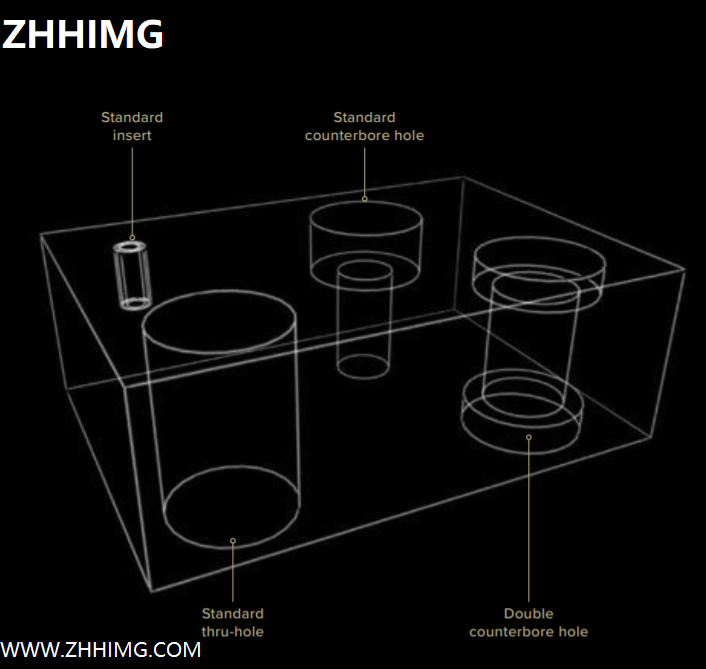
Kuinka monta erilaista reikää tarkkuusgraniitissa on?
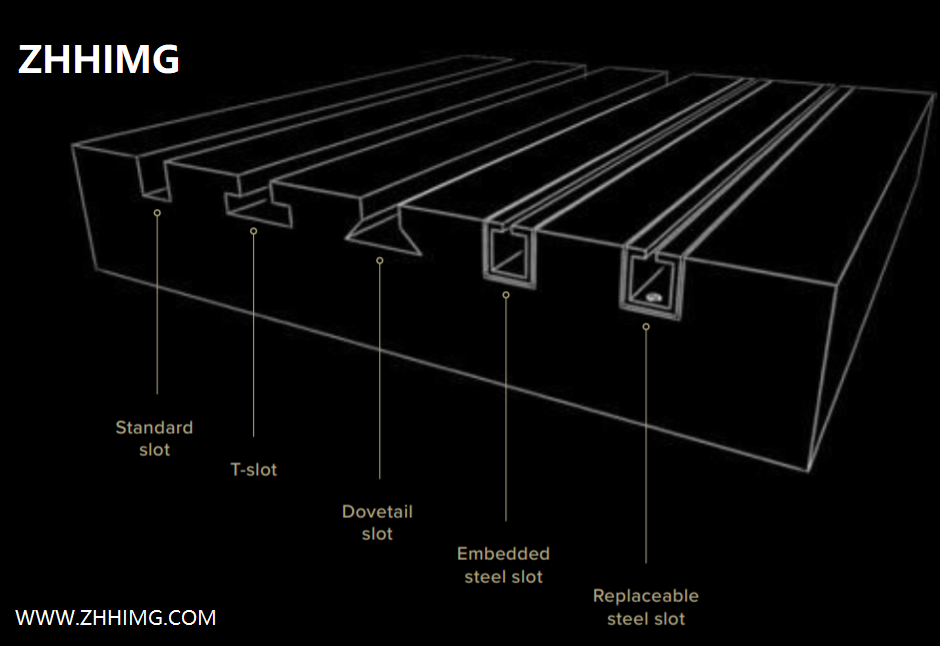
Urat tarkkuusgraniittikomponenteissa
Monissa tehtaissa, tarkastushuoneissa ja laboratorioissa tarkkuusgraniittipintalevyjä käytetään tarkkojen mittausten perustana. Koska jokainen lineaarinen mittaus riippuu tarkasta vertailupinnasta, josta lopulliset mitat otetaan, pintalevyt tarjoavat parhaan vertailutason työstötarkastukseen ja asetteluun ennen koneistusta. Ne ovat myös ihanteellisia alustoja korkeusmittausten ja mittauspintojen tekemiseen. Lisäksi niiden korkea tasaisuus, vakaus, yleinen laatu ja työnjälki tekevät niistä hyvän valinnan monimutkaisten mekaanisten, elektronisten ja optisten mittausjärjestelmien asennukseen. Kaikissa näissä mittausprosesseissa on välttämätöntä pitää pintalevyt kalibroituina.
Toista mittaukset ja tasaisuus
Sekä tasaisuus että toistuvat mittaukset ovat kriittisiä tarkan pinnan varmistamiseksi. Tasaisuudella tarkoitetaan kaikkia pinnan pisteitä, jotka ovat kahden yhdensuuntaisen tason, pohjatason ja kattotason, sisällä. Tasojen välisen etäisyyden mittaus on pinnan yleinen tasaisuus. Tähän tasaisuusmittaukseen liittyy yleensä toleranssi ja se voi sisältää laatumerkinnän.
Kolmen vakiolaadun tasaisuustoleranssit määritellään liittovaltion eritelmässä seuraavan kaavan mukaisesti:
DIN-standardi, GB-standardi, ASME-standardi, JJS-standardi... eri maa, jolla on eri standardi...
Tasaisuuden lisäksi on varmistettava toistettavuus. Toistomittaus on paikallisten tasaisuusalueiden mittaus. Se on mittaus, joka tehdään missä tahansa levyn pinnalla ja joka toistuu ilmoitetun toleranssin rajoissa. Paikallisen alueen tasaisuuden säätäminen tiukempaan toleranssiin kuin kokonaistasaisuuden säätäminen takaa pinnan tasaisuusprofiilin asteittaisen muutoksen, mikä minimoi paikalliset virheet.
Jotta pintalevy täyttäisi sekä tasaisuuden että toistuvien mittausten vaatimukset, graniittipintalevyjen valmistajien tulisi käyttää liittovaltion standardia GGG-P-463c perustana spesifikaatioilleen. Tämä standardi käsittelee toistuvien mittausten tarkkuutta, graniitin pintalevyn materiaaliominaisuuksia, pinnan viimeistelyä, tukipisteiden sijaintia, jäykkyyttä, hyväksyttäviä tarkastusmenetelmiä ja kierteitettyjen inserttien asennusta.
Levyn tarkkuuden tarkistaminen
Muutaman yksinkertaisen ohjeen avulla graniittiseen pintalevyyn tehty investointi kestää useita vuosia. Pintalevyn tarkkuuden tarkistustiheys vaihtelee levyn käytöstä, työympäristöstä ja vaaditusta tarkkuudesta riippuen. Yleisenä nyrkkisääntönä on, että uusi levy on kalibroitava kokonaan uudelleen vuoden kuluessa ostosta. Jos levyä käytetään usein, on suositeltavaa lyhentää tämä väli kuuteen kuukauteen.
Ennen kuin pintalevy on kulunut yleisen tasaisuuden spesifikaatioiden mukaista kovempaan, siinä näkyy kuluneita tai aaltoilevia nastoja. Kuukausittainen tarkastus toistuvien mittausvirheiden varalta toistuvan lukeman mittarilla tunnistaa kulumiskohdat. Toistuvan lukeman mittari on erittäin tarkka laite, joka havaitsee paikalliset virheet ja voidaan näyttää suuritehoisella elektronisella vahvistimella.
Tehokkaaseen tarkastusohjelmaan tulisi kuulua säännölliset tarkastukset autokollimaattorilla, jotka suorittavat todellisen tasaisuuden kalibroinnin National Institute of Standards and Technologyn (NIST) mukaisesti jäljitettävissä olevan mukaisesti. Valmistajan tai riippumattoman yrityksen suorittama kattava kalibrointi on aika ajoin tarpeen.
Kalibrointien väliset vaihtelut
Joissakin tapauksissa pintalevyjen kalibrointien välillä on eroja. Joskus tekijät, kuten kulumisesta johtuva pinnan muutos, tarkastuslaitteiden virheellinen käyttö tai kalibroimattomien laitteiden käyttö, voivat selittää näitä eroja. Kaksi yleisintä tekijää ovat kuitenkin lämpötila ja tuki.
Yksi tärkeimmistä muuttujista on lämpötila. Pinta on esimerkiksi saatettu pestä kuumalla tai kylmällä liuoksella ennen kalibrointia, eikä sille ole annettu riittävästi aikaa normalisoitua. Muita lämpötilan muutoksen syitä ovat kylmän tai kuuman ilman veto, suora auringonvalo, kattovalaistus tai muut levyn pinnalla olevat säteilylämmön lähteet.
Myös pystysuorassa lämpötilagradientissa voi olla vaihteluita talven ja kesän välillä. Joissakin tapauksissa levylle ei anneta riittävästi aikaa normalisoitua toimituksen jälkeen. On hyvä idea tallentaa pystysuoran gradientin lämpötila kalibroinnin suorittamisen yhteydessä.
Toinen yleinen syy kalibrointivaihteluille on väärin tuettu levy. Pintalevy tulisi tukea kolmesta pisteestä, jotka mieluiten sijaitsevat 20 %:n päässä levyn pituudesta sisäänpäin levyn päistä. Kaksi tukea tulisi sijoittaa 20 %:n päässä levyn leveydestä sisäänpäin pitkistä sivuista, ja loput tuet tulisi keskittää.
Vain kolme pistettä voi levätä tukevasti mille tahansa muulle kuin tarkkuuspinnalle. Jos levyä yritetään tukea useammasta kuin kolmesta pisteestä, levy saa tukeaan useista kolmen pisteen yhdistelmistä, jotka eivät ole samoja kolmea pistettä, joihin se tuettiin tuotannon aikana. Tämä aiheuttaa virheitä, kun levy taipuu mukautuakseen uuteen tukijärjestelyyn. Harkitse teräsjalustojen käyttöä, joiden tukipalkit on suunniteltu linjaamaan oikeiden tukipisteiden kanssa. Tähän tarkoitukseen tarkoitettuja jalustoja on yleensä saatavilla pintalevyn valmistajalta.
Jos levy on asianmukaisesti tuettu, tarkka vaaitus on tarpeen vain, jos sovellus sitä vaatii. Vaaitus ei ole välttämätöntä oikein tuetun levyn tarkkuuden ylläpitämiseksi.
Pidennä levyn käyttöikää
Muutaman ohjeen noudattaminen vähentää graniittipinnan kulumista ja lopulta pidentää sen käyttöikää.
Ensinnäkin on tärkeää pitää levy puhtaana. Ilmassa leijuva hiomapöly on yleensä suurin levyn kulumisen aiheuttaja, koska se tarttuu helposti työkappaleisiin ja mittareiden kosketuspintoihin.
On myös tärkeää peittää levyt niiden suojaamiseksi pölyltä ja vaurioilta. Kulutusikää voidaan pidentää peittämällä levy, kun sitä ei käytetä.
Kierrä levyä säännöllisesti, jotta yksittäinen alue ei ole liikaa käytössä. On myös suositeltavaa vaihtaa teräksiset kosketuspinnat mittauslaitteissa kovametallipintoihin.
Vältä ruoan tai virvoitusjuomien asettamista lautaselle. Monet virvoitusjuomat sisältävät joko hiilihappoa tai fosforihappoa, joka voi liuottaa pehmeämpiä mineraaleja ja jättää pieniä kuoppia pintaan.
Missä rentoutua
Kun graniittinen pintalevy tarvitsee uudelleenhiontaa, harkitse, teetetäänkö tämä työ paikan päällä vai kalibrointilaitoksessa. On aina parempi teettää levyn uudelleenhionta tehtaalla tai asianmukaisessa laitoksessa. Jos levy ei kuitenkaan ole liian pahasti kulunut, yleensä 0,001 tuuman sisällä vaaditusta toleranssista, se voidaan pinnoittaa uudelleen paikan päällä. Jos levy on kulunut siihen pisteeseen, että se on yli 0,001 tuumaa toleranssin ulkopuolella, tai jos se on pahasti syöpynyt tai naarmuuntunut, se tulee lähettää tehtaalle hiottavaksi ennen uudelleenhiontaa.
Kalibrointilaitoksessa on laitteet ja tehdasasetukset, jotka tarjoavat optimaaliset olosuhteet levyn asianmukaiselle kalibroinnille ja tarvittaessa uudelleentyöstölle.
Paikan päällä toimivan kalibrointi- ja pinnoitusteknikon valinnassa on oltava erittäin huolellinen. Pyydä akkreditointia ja varmista, että teknikon käyttämillä laitteilla on jäljitettävä kalibrointi. Kokemus on myös tärkeä tekijä, sillä graniitin tarkkuushionnan oikean hionnan oppiminen vie useita vuosia.
Kriittiset mittaukset aloitetaan tarkalla graniittipintalevyllä lähtökohtana. Varmistamalla luotettavan referenssin käyttämällä oikein kalibroitua pintalevyä, valmistajilla on yksi tärkeimmistä työkaluista luotettavien mittausten ja parempilaatuisten osien saavuttamiseksi.Q
Kalibrointimuunnelmien tarkistuslista
1. Pinta pestiin kuumalla tai kylmällä liuoksella ennen kalibrointia, eikä sille annettu riittävästi aikaa normalisoitua.
2. Levyä ei ole tuettu oikein.
3. Lämpötilan muutos.
4. Luonnokset.
5. Suora auringonvalo tai muu säteilylämpö levyn pinnalla. Varmista, ettei kattovalaistus lämmitä pintaa.
6. Pystysuuntaisen lämpötilagradientin vaihtelut talven ja kesän välillä. Jos mahdollista, tiedä pystysuuntaisen gradientin lämpötila kalibroinnin suoritushetkellä.
7. Levylle ei annettu riittävästi aikaa normalisoitua toimituksen jälkeen.
8. Tarkastuslaitteiden virheellinen käyttö tai kalibroimattomien laitteiden käyttö.
9. Kulumisesta johtuva pinnan muutos.
Teknisiä vinkkejä
- Koska jokainen lineaarinen mittaus riippuu tarkasta vertailupinnasta, josta lopulliset mitat otetaan, pintalevyt tarjoavat parhaan vertailutason työstötarkastukseen ja asetteluun ennen koneistusta.
- Paikallisen alueen tasaisuuden hallinta tiukemmalla toleranssilla kuin kokonaistasaisuuden hallinta takaa pinnan tasaisuusprofiilin asteittaisen muutoksen, mikä minimoi paikalliset virheet.
- Tehokkaan tarkastusohjelman tulisi sisältää säännölliset tarkastukset autokollimaattorilla, jotka mahdollistavat kokonaistasaisuuden todellisen kalibroinnin, joka on jäljitettävissä kansalliselle tarkastusviranomaiselle.
Graniitin mineraalihiukkasista yli 90 % on maasälpää ja kvartsia, joista maasälpä on suurin. Maasälpä on usein valkoista, harmaata ja lihanpunaista, ja kvartsi on enimmäkseen väritöntä tai harmahtavanvalkoista, mikä muodostaa graniitin perusvärin. Maasälpä ja kvartsi ovat kovia mineraaleja, ja niitä on vaikea liikutella teräsveitsellä. Graniitissa on tummia täpliä, jotka ovat pääasiassa mustaa kiillettä, mutta myös muita mineraaleja. Vaikka biotiitti on suhteellisen pehmeää, sen jännityksenkestokyky ei ole heikko, ja niitä on graniitissa pieni määrä, usein alle 10 %. Tässä aineellisessa olosuhteessa graniitti on erityisen vahva.
Toinen syy graniitin lujuuteen on se, että sen mineraalihiukkaset ovat tiiviisti sitoutuneet toisiinsa ja uponneet toisiinsa. Huokoset muodostavat usein alle 1 % kiven kokonaistilavuudesta. Tämä antaa graniitille kyvyn kestää voimakasta painetta eikä kosteus pääse helposti tunkeutumaan siihen.
Graniittikomponentit on valmistettu kivestä, jolla ei ole ruostetta, happo- ja emäskestoa, hyvää kulutuskestävyyttä ja pitkää käyttöikää, eikä se vaadi erityistä huoltoa. Graniittitarkkuuskomponentteja käytetään enimmäkseen koneteollisuuden työkaluissa. Siksi niitä kutsutaan graniittitarkkuuskomponenteiksi tai graniittikomponenteiksi. Graniittitarkkuuskomponenttien ominaisuudet ovat pohjimmiltaan samat kuin graniittialustojen. Johdatus graniittitarkkuuskomponenttien työkaluihin ja mittaukseen: Tarkkuuskoneistus ja mikrokoneistusteknologia ovat tärkeitä kehityssuuntia koneenrakennusteollisuudessa, ja niistä on tullut tärkeä indikaattori korkean teknologian tason mittaamiseksi. Huipputeknologian ja puolustusteollisuuden kehitys on erottamaton osa tarkkuuskoneistusta ja mikrokoneistusteknologiaa. Graniittikomponentit voidaan liu'uttaa tasaisesti mittauksessa ilman pysähtymistä. Työpinnan mittaus ja yleiset naarmut eivät vaikuta mittaustarkkuuteen. Graniittikomponentit on suunniteltava ja valmistettava kysyntäpuolen vaatimusten mukaisesti.
Sovellusalue:
Kuten me kaikki tiedämme, yhä useammat koneet ja laitteet valitsevat tarkkuusgraniittikomponentteja.
Graniittikomponentteja käytetään dynaamiseen liikkeeseen, lineaarimoottoreihin, CMMM:iin, CNC:hen, laserkoneisiin...
tervetuloa ottamaan meihin yhteyttä saadaksesi lisätietoja.
Graniittimittauslaitteet ja graniitista valmistetut mekaaniset komponentit on valmistettu korkealaatuisesta Jinanin mustasta graniitista. Niiden suuren tarkkuuden, pitkän käyttöiän, hyvän vakauden ja korroosionkestävyyden ansiosta niitä on käytetty yhä enemmän nykyaikaisen teollisuuden tuotetarkastuksissa ja sellaisilla tieteellisillä aloilla kuin mekaaninen ilmailu ja avaruus sekä tieteellinen tutkimus.
Edut
----Kaksi kertaa kovempaa kuin valurauta;
---- Minimaaliset mittamuutokset johtuvat lämpötilan muutoksista;
----Ei vääntymistä, joten työ ei keskeydy;
----Ei sisällä purseita tai ulkonemia hienorakeisen rakenteensa ja merkityksettömän tahmeutensa ansiosta, mikä takaa korkean tasaisuuden pitkän käyttöiän ajan eikä vahingoita muita osia tai instrumentteja;
----Häiriötön toiminta magneettisten materiaalien kanssa;
---- Pitkä käyttöikä ja ruostumaton, mikä johtaa alhaisiin ylläpitokustannuksiin.
Tarkkuusgraniittipintalevyt on tarkasti limitetty korkean tasaisuustason saavuttamiseksi, ja niitä käytetään pohjana hienostuneiden mekaanisten, elektronisten ja optisten mittausjärjestelmien asennukselle.
Joitakin graniittipinnan ainutlaatuisia ominaisuuksia:
Kovuuden tasaisuus;
Tarkka kuormitusolosuhteissa;
Tärinänvaimennus;
Helppo puhdistaa;
Käärinkestävä;
Alhainen huokoisuus;
Ei-hankaava;
Ei-magneettinen
Graniittipinnan edut
Ensinnäkin, kivi pitkän luonnollisen ikääntymisen jälkeen, rakenteeltaan yhtenäinen, kerroin minimoitu, sisäinen jännitys katoaa kokonaan eikä muutu, joten tarkkuus on korkea.
Toiseksi, naarmuja ei tule, ei vakiolämpötilassa, huoneenlämmössä, lämpötilan mittauksen tarkkuus voidaan myös säilyttää.
Kolmanneksi, ei magnetisointia, mittaus voi olla sujuvaa liikettä, ei narisevaa tunnetta, ei kosteus vaikuta, taso on kiinteä.
Neljänneksi, jäykkyys on hyvä, kovuus on korkea ja kulutuskestävyys on vahva.
Viisi, ei pelkää happoa, emäksistä nestettä, ei ruostu, ei tarvitse maalata öljyä, ei ole helppo tahmea mikropöly, huolto, helppo huoltaa, pitkä käyttöikä.
Miksi valita graniittijalusta valurautaisen konesängyn sijaan?
1. Graniittikoneen jalusta voi säilyttää paremman tarkkuuden kuin valurautainen koneen jalusta. Valurautainen koneen jalusta reagoi helposti lämpötilaan ja kosteuteen, mutta graniittinen koneen jalusta ei.
2. Graniittikoneen pohjan ja valurautapohjan ollessa saman kokoinen, graniittikoneen pohja on kustannustehokkaampi kuin valurauta;
3. Erityinen graniittikoneen jalusta on helpompi viimeistellä kuin valurautainen koneen jalusta.
Graniittipintalevyt ovat keskeisiä instrumentteja tarkastuslaboratorioissa ympäri maata. Pintalevyn kalibroitu, erittäin tasainen pinta mahdollistaa tarkastajien käyttää niitä perustana osien tarkastuksille ja instrumenttien kalibroinnille. Ilman pintalevyjen tarjoamaa vakautta monia tiukasti toleroituja osia eri teknologian ja lääketieteen aloilla olisi paljon vaikeampaa, ellei mahdotonta, valmistaa oikein. Jotta graniittipintalevyä voitaisiin käyttää muiden materiaalien ja työkalujen kalibrointiin ja tarkastukseen, on tietysti arvioitava itse graniitin tarkkuus. Käyttäjät voivat kalibroida graniittipintalevyn sen tarkkuuden varmistamiseksi.
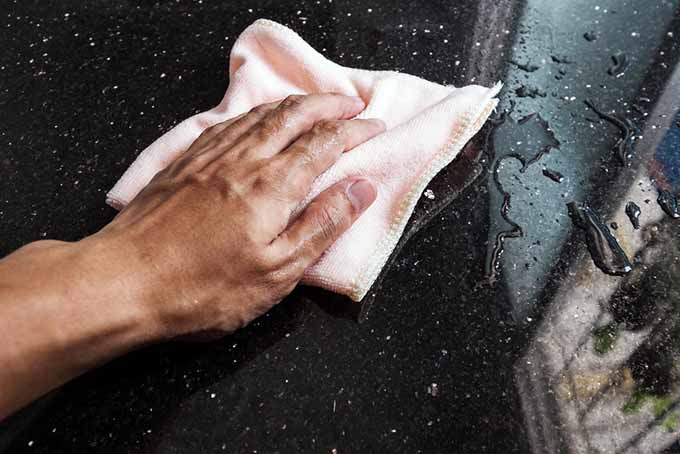
Puhdista graniittipintalevy ennen kalibrointia. Kaada pieni määrä pintalevyn puhdistusainetta puhtaalle, pehmeälle liinalle ja pyyhi graniitin pinta. Kuivaa puhdistusaine heti pintalevystä kuivalla liinalla. Älä anna puhdistusnesteen kuivua ilmassa.
Aseta toistuva mittauslaite graniittipinnan levyn keskelle.
Nollaa toistuva mittauslaite graniittilevyn pintaan.
Liikuta mittaria hitaasti graniitin pinnan poikki. Tarkkaile mittarin osoitinta ja kirjaa ylös mahdolliset korkeusvaihteluiden huiput, kun liikutat laitetta levyn poikki.
Vertaa levyn pinnan tasaisuuden vaihtelua pintalevyn toleransseihin, jotka vaihtelevat levyn koon ja graniitin tasaisuusasteen mukaan. Katso liittovaltion spesifikaatiosta GGG-P-463c (katso Resurssit) selvittääksesi, täyttääkö levysi koon ja luokan tasaisuusvaatimukset. Levyn korkeimman ja matalimman pisteen välinen ero on sen tasaisuusmitta.
Tarkista, että levyn pinnan suurimmat syvyysvaihtelut ovat kyseisen kokoisen ja laatuisen levyn toistettavuusvaatimusten mukaisia. Katso liittovaltion spesifikaatiosta GGG-P-463c (katso Resurssit) lisätietoja siitä, täyttääkö levysi koonsa toistettavuusvaatimukset. Hylkää pintalevy, jos yksikin kohta ei täytä toistettavuusvaatimuksia.
Lopeta graniittisen pintalevyn käyttö, joka ei täytä liittovaltion vaatimuksia. Palauta levy valmistajalle tai graniittipinnoiteyritykselle, jotta laatta kiillotetaan uudelleen vaatimusten mukaisesti.
Kärki
Suorita viralliset kalibroinnit vähintään kerran vuodessa, vaikka graniittipintalevyt, joita käytetään paljon, tulisi kalibroida useammin.
Muodollisen, tallennettavan kalibroinnin valmistus- tai tarkastusympäristöissä suorittaa usein laadunvarmistus tai ulkopuolinen kalibrointipalvelujen toimittaja, vaikka kuka tahansa voi käyttää toistuvaa mittauslaitetta pintalevyn epäviralliseen tarkistamiseen ennen käyttöä.
Graniittilevyjen varhainen historia
Ennen toista maailmansotaa valmistajat käyttivät teräslevyjä osien mittatarkastuksiin. Toisen maailmansodan aikana teräksen tarve kasvoi dramaattisesti, ja paljon teräslevyjä sulatettiin. Tarvittiin korvaava materiaali, ja graniitista tuli ensisijainen materiaali sen ylivoimaisten mittausominaisuuksien ansiosta.
Graniitilla oli useita etuja teräkseen verrattuna. Graniitti on kovempaa, vaikkakin hauraampaa ja alttiimpaa lohkeilulle. Graniittia voidaan hioa paljon tasaisemmaksi ja nopeammin kuin terästä. Graniitilla on myös toivottava ominaisuus, että se on pienempi lämpölaajeneminen verrattuna teräkseen. Lisäksi jos teräslevy tarvitsi korjausta, se piti kaapia käsin käsin, ja käsityöläiset käyttivät taitojaan myös työstökoneiden kunnostuksessa.
Sivuhuomautuksena, joitakin teräslevyjä käytetään edelleen.
Graniittilevyjen metrologiset ominaisuudet
Graniitti on tulivuorenpurkauksissa muodostunut magmakivi. Vertailun vuoksi marmori on metamorfoitunutta kalkkikiveä. Mittausteknisessä käytössä valitun graniitin tulee täyttää liittovaltion spesifikaatiossa GGG-P-463c, josta jäljempänä käytetään nimitystä Fed Specs, ja erityisesti osassa 3.1 3.1 esitetyt vaatimukset. Fed Specs -spesifikaatioista graniitin tulee olla hieno- tai keskirakeista.
Graniitti on kova materiaali, mutta sen kovuus vaihtelee useista syistä. Kokenut graniittilevyteknikko voi arvioida kovuuden sen värin perusteella, joka osoittaa sen kvartsipitoisuuden. Graniitin kovuus on ominaisuus, joka määräytyy osittain kvartsipitoisuuden ja kiilteen puutteen mukaan. Punaiset ja vaaleanpunaiset graniitit ovat yleensä kovimpia, harmaat ovat keskikovia ja mustat ovat pehmeimpiä.
Youngin kimmomoduulia käytetään ilmaisemaan kiven joustavuutta tai kovuutta. Vaaleanpunainen graniitti saa keskimäärin 3–5 pistettä asteikolla, harmaa 5–7 pistettä ja musta 7–10 pistettä. Mitä pienempi luku, sitä kovempi graniitti yleensä on. Mitä suurempi luku, sitä pehmeämpi ja joustavampi graniitti on. Graniitin kovuus on tärkeää tietää valittaessa toleranssiluokkien edellyttämää paksuutta sekä siihen asetettujen osien ja mittauslaitteiden painoa.
Ennen vanhaan, kun oli olemassa oikeita koneistajia, jotka tunnettiin paidantaskuissaan olevista kolmipistelaskentataulukoista, mustaa graniittia pidettiin "parhaana". Parhaalla tarkoitettiin laatua, joka kesti parhaiten kulutusta tai oli kovempaa. Yksi haittapuoli on, että kovemmat graniitit lohkeilevat ja kolhiintuvat helpommin. Koneistajat olivat niin vakuuttuneita mustan graniitin parhaasta laadusta, että jotkut vaaleanpunaisen graniitin valmistajat värjäsivät ne mustiksi.
Olen itse nähnyt levyn, joka putosi trukista siirrettäessä sitä varastosta. Levy osui lattiaan ja halkesi kahtia paljastaen todellisen vaaleanpunaisen värinsä. Ole varovainen, jos suunnittelet mustan graniitin ostamista Kiinasta. Suosittelemme, että tuhlaat rahasi johonkin muuhun. Graniittilevyn kovuus voi vaihdella itsessään. Kvartsijuova voi olla paljon kovempi kuin muu pintalevy. Musta gabrokerros voi tehdä alueesta paljon pehmeämmän. Hyvin koulutetut ja kokeneet pintalevyjen korjausteknikot osaavat käsitellä näitä pehmeitä alueita.
Pintalevyjen laadut
Pintalevyjä on neljää laatuluokkaa: laboratorioluokat AA ja A, huonetarkastusluokat B ja neljäs on työpajalaatu. Laadut AA ja A ovat tasaisimpia, ja niiden tasaisuustoleranssit ovat parempia kuin 0,00001 tuumaa AA-luokan levylle. Työpajalaadut ovat vähiten tasaisia, ja kuten nimestä voi päätellä, ne on tarkoitettu käytettäväksi työkaluhuoneissa. Laadut AA, A ja B on tarkoitettu käytettäväksi tarkastus- tai laadunvalvontalaboratorioissa.
PRoper-testaus pintalevyn kalibrointia varten
Olen aina sanonut asiakkailleni, että voin kutsua minkä tahansa 10-vuotiaan kirkostani ja opettaa heille muutamassa päivässä, miten testataan levy. Se ei ole vaikeaa. Se vaatii kuitenkin jonkin verran tekniikkaa tehtävän suorittamiseksi nopeasti, tekniikoita, jotka oppii ajan ja paljon toistoa kautta. Minun on kerrottava teille, enkä voi tarpeeksi korostaa, että Fed Spec GGG-P-463c EI OLE kalibrointimenetelmä! Lisää siitä myöhemmin.
Kokonaistasaisuuden (keskimääräinen ruutu) ja toistettavuuden (paikallinen kuluminen) tarkastusten kalibrointi on pakollista Fed-spesifikaatioiden mukaan. Ainoa poikkeus tästä ovat pienet levyt, joissa vaaditaan vain toistettavuus.
Myös lämpötilagradienttien testaus on yhtä tärkeä kuin muut testit. (Katso Delta T alla.)
Kuva 1
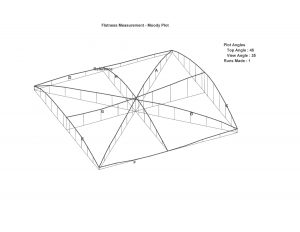
Tasomaisuustestauksessa on neljä hyväksyttyä menetelmää. Elektroniset vatupassit, autokollimaatio, laser ja laite, joka tunnetaan tasopaikantimena. Käytämme ainoastaan elektronisia vatupassia, koska ne ovat tarkin ja nopein menetelmä useista syistä.
Laserit ja autokollimaattorit käyttävät hyvin suoraa valonsädettä referenssinä. Graniittipintalevyn suoruus mitataan vertaamalla pintalevyn ja valonsäteen välistä etäisyyden vaihtelua. Suoruus mitataan ottamalla suora valonsäde, suuntaamalla se heijastinkohteeseen ja siirtämällä heijastinkohdetta alaspäin pintalevyä pitkin. Lähtevän säteen ja paluusäteen välinen etäisyys mitataan.
Menetelmän ongelma on tässä. Kohteeseen ja lähteeseen vaikuttavat tärinä, ympäristön lämpötila, epätasainen tai naarmuuntunut kohde, ilman epäpuhtaudet ja ilman liike (virrat). Kaikki nämä lisäävät virheen määrää. Lisäksi autokollimaattorilla tehtyjen tarkistusten käyttäjän virheen osuus on suurempi.
Kokenut autokollimaattorin käyttäjä voi tehdä erittäin tarkkoja mittauksia, mutta silti hänellä on ongelmia lukemien yhdenmukaisuuden kanssa erityisesti pidemmillä etäisyyksillä, koska heijastukset yleensä levenevät tai hieman epäterävät. Myös epätasainen kohde ja pitkä päivä linssin läpi tarkkailua aiheuttavat lisävirheitä.
Tasopaikannuslaite on vain hölmö. Tämä laite käyttää referenssinä jokseenkin suoraa sädettä (verrattuna erittäin suoraan kollimoituun tai lasersäteeseen). Mekaaninen laite ei ainoastaan käytä indikaattoria, jonka resoluutio on normaalisti vain 20 mikrotuumaa, vaan tangon epäsuoruus ja erilaiset materiaalit lisäävät merkittävästi mittausvirheitä. Mielestämme, vaikka menetelmä onkin hyväksyttävä, mikään pätevä laboratorio ei koskaan käyttäisi tasopaikannuslaitetta lopullisena tarkastusvälineenä.
Elektroniset vatupassit käyttävät painovoimaa referenssinä. Tärinä ei vaikuta elektronisiin differentiaalivatupasseihin. Niiden resoluutio on niinkin alhainen kuin 0,1 kaarisekunti, ja mittaukset ovat nopeita, tarkkoja, ja kokeneen käyttäjän aiheuttama virhe on hyvin pieni. Tasopaikantimet tai autokollimaattorit eivät tarjoa tietokoneella luotuja topografisia (kuva 1) tai isometrisiä kuvaajia (kuva 2) pinnasta.
Kuva 2
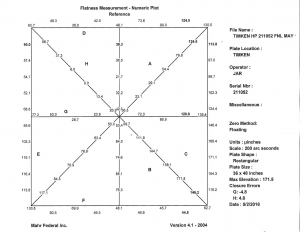
Pinnan asianmukainen tasaisuustesti
Pinnan asianmukainen tasaisuustesti on niin tärkeä osa tätä artikkelia, että minun olisi pitänyt sijoittaa se alkuun. Kuten aiemmin todettiin, Fed Spec. GGG-p-463c EI OLE kalibrointimenetelmä. Se toimii ohjeena monissa metrologisen laatuluokan graniitin osa-alueissa, joiden aiottu ostaja on jokin liittovaltion virasto, mukaan lukien testausmenetelmät ja toleranssit tai laadut. Jos urakoitsija väittää noudattaneensa Fed Specs -spesifikaatioita, tasaisuusarvo määritetään Moody-menetelmällä.
Moody oli jo 50-luvulla kehittänyt matemaattisen menetelmän yleisen tasaisuuden määrittämiseksi ja testattujen viivojen suunnan huomioon ottamiseksi eli sen, ovatko ne riittävän lähellä toisiaan samassa tasossa. Mikään ei ole muuttunut. Allied Signal yritti parantaa matemaattista menetelmää, mutta totesi erojen olevan niin pieniä, ettei vaiva ollut vaivan arvoinen.
Jos pintalevyurakoitsija käyttää elektronisia vatupasseja tai laseria, hän käyttää tietokonetta apunaan laskelmissa. Ilman tietokoneen apua autokollimaatiota käyttävän teknikon on laskettava lukemat käsin. Todellisuudessa he eivät tee niin. Se vie liian kauan ja voi rehellisesti sanottuna olla liian haastavaa. Moody-menetelmällä tehtävässä tasaisuustestissä teknikko testaa kahdeksan viivan suoruuden Union Jack -asetelmassa.
Moody-menetelmä
Moody-menetelmä on matemaattinen tapa määrittää, ovatko kahdeksan viivaa samassa tasossa. Muussa tapauksessa on vain kahdeksan suoraa viivaa, jotka eivät välttämättä ole samassa tasossa tai lähellä sitä. Lisäksi urakoitsija, joka väittää noudattavansa Fedin spesifikaatiota ja käyttää autokollimaatiota,täytyytuottaa kahdeksan sivua dataa. Yksi sivu jokaista tarkastettua riviä kohden, jolla todistetaan hänen testauksensa, korjauksensa tai molemmat. Muuten urakoitsijalla ei ole aavistustakaan, mikä on todellinen tasaisuusarvo.
Olen varma, että jos olet yksi niistä, jotka kalibroivat levysi urakoitsijalla autokollimaatiota käyttäen, et ole koskaan nähnyt noita sivuja! Kuva 3 on esimerkki...vain yksiKahdeksan sivun mittainen sivu tarvitaan kokonaistasaisuuden laskemiseen. Yksi osoitus tietämättömyydestä ja pahantahtoisuudesta on, jos raportissasi on kauniisti pyöristettyjä lukuja. Esimerkiksi 200, 400, 650 jne. Oikein laskettu arvo on reaaliluku. Esimerkiksi 325,4 u In. Kun urakoitsija käyttää Moodyn menetelmää laskuissa ja teknikko laskee arvot manuaalisesti, sinun pitäisi saada kahdeksan sivua laskelmia ja isometrinen kuvaaja. Isometrinen kuvaaja näyttää eri viivojen vaihtelevat korkeudet ja kuinka suuri etäisyys erottaa valitut leikkauspisteet toisistaan.
Kuva 3(Tasaisuuden manuaalinen laskeminen vie kahdeksan tällaista sivua. Muista kysyä, miksi et saa tätä, jos urakoitsijasi käyttää autokollimaatiota!)
Kuva 4
Mittamittausteknikot käyttävät differentiaalitasauslaitteita (kuva 4) ensisijaisesti mittaamaan kulman pienimpiäkin muutoksia mittausasemalta toiselle. Tasauslaitteiden resoluutio on jopa 0,1 kaarisekuntia (5 mikrotuumaa 4 tuuman kelkalla), ne ovat erittäin vakaita, eivätkä niihin vaikuta tärinä, mitatut etäisyydet, ilmavirrat, käyttäjän väsymys, ilman epäpuhtaudet tai mitkään muihin laitteisiin liittyvät ongelmat. Tietokoneen avulla tehtävästä tulee suhteellisen nopea, sillä se luo topografisia ja isometrisiä kuvaajia, jotka todistavat varmennuksen ja ennen kaikkea korjauksen.
Oikea toistettavuustesti
Toistuva lukeminen eli toistettavuus on tärkein testi. Toistettavuustestin suorittamiseen käyttämämme laitteet ovat toistuvan lukeman laite, LVDT ja vahvistin, joita tarvitaan korkean resoluution lukemiin. Asetamme LVDT-vahvistimen vähimmäisresoluutioon 10 mikrotuumaa tai 5 mikrotuumaa korkean resoluution levyjä varten.
Mekaanisen indikaattorin käyttö, jonka resoluutio on vain 20 mikrotuumaa, on arvotonta, jos yrität testata 35 mikrotuuman toistettavuusvaatimusta. Indikaattoreilla on 40 mikrotuuman epävarmuus! Toistuvan lukeman järjestely jäljittelee korkeusanturin/osan kokoonpanoa.
Toistettavuus EI OLE sama asia kuin kokonaistasaisuus (keskitasaisuus). Pidän graniitin toistettavuutta yhtenäisenä säteen mittana.
Kuva 5
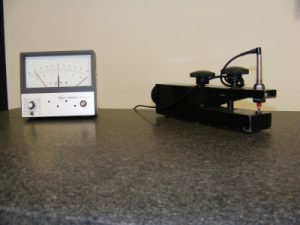
Jos testaat pyöreän kuulan toistettavuutta, olet osoittanut, että kuulan säde ei ole muuttunut. (Oikein korjatun levyn ihanteellinen profiili on kupera, kupera.) On kuitenkin selvää, että kuula ei ole litteä. No, tavallaan. Erittäin lyhyellä matkalla se on litteä. Koska suurin osa tarkastustyöstä tapahtuu korkeusmittarilla hyvin lähellä kappaletta, toistettavuudesta tulee graniittilevyn kriittisin ominaisuus. Tasaisuus on tärkeämpää kuin kokonaisuuden tasaisuus, ellei käyttäjä tarkista pitkän kappaleen suoruutta.
Varmista, että urakoitsijasi suorittaa toistuvan lukeman. Levy voi saada toistuvan lukeman merkittävästi toleranssin ulkopuolella, mutta se silti läpäisee tasaisuustestin! Hämmästyttävää kyllä, laboratorio voi saada akkreditoinnin testissä, joka ei sisällä toistuvaa lukematestiä. Laboratorio, joka ei osaa korjata tai ei ole kovin hyvä korjaamaan, mieluummin suorittaa pelkän tasaisuustestin. Tasaisuus muuttuu harvoin, ellet siirrä levyä.
Toistuva lukemistesti on helpoin testata, mutta vaikein saavuttaa läppäyksessä. Varmista, että urakoitsija voi palauttaa toistettavuuden "kulmioimatta" pintaa tai jättämättä siihen aaltoja.
Delta T -testi
Tässä testissä mitataan kiven TODELLINEN lämpötila sen yläpinnalla ja alapinnassa ja lasketaan ero, Delta T, sertifikaatissa raportointia varten.
On tärkeää tietää, että graniitin keskimääräinen lämpölaajenemiskerroin on 3,5 uIn/Inch/aste. Ympäristön lämpötilan ja kosteuden vaikutus graniittilevyyn on merkityksetön. Pintalevy voi kuitenkin mennä toleranssin ulkopuolelle tai joskus parantua, vaikka lämpötilan muutos olisi 0,3–0,5 astetta Fahrenheit-astetta. On tärkeää tietää, onko lämpötilan muutos 0,12 astetta Fahrenheit-astetta viimeisimmän kalibroinnin arvosta.
On myös tärkeää tietää, että levyn työpinta siirtyy lämpöä kohti. Jos ylälämpötila on lämpimämpi kuin alalämpötila, yläpinta nousee. Jos alalämpötila on lämpimämpi, mikä on harvinaista, yläpinta laskee. Laatupäällikölle tai teknikolle ei riitä, että hän tietää levyn olevan tasainen ja toistettavissa kalibroinnin tai korjauksen aikana, vaan hän tietää, mikä sen Delta T oli lopullisen kalibrointitestin aikana. Kriittisissä tilanteissa käyttäjä voi mittaamalla Delta T:n itse määrittää, onko levy ylittänyt toleranssin pelkästään Delta T -vaihteluiden vuoksi. Onneksi graniitilla kestää useita tunteja tai jopa päiviä sopeutua ympäristöön. Ympäristön lämpötilan pienet vaihtelut päivän aikana eivät vaikuta siihen. Näistä syistä emme ilmoita ympäristön kalibrointilämpötilaa tai -kosteutta, koska niiden vaikutukset ovat merkityksettömiä.
Graniittilevyjen kuluminen
Vaikka graniitti on kovempaa kuin teräslevyt, graniitin pinnalle muodostuu silti matalia kohtia. Osien ja mittareiden toistuva liike pintalevyllä on suurin kulumisen aiheuttaja, varsinkin jos samaa aluetta käytetään jatkuvasti. Levyn pinnalle jäänyt lika ja hiontapöly nopeuttavat kulumisprosessia, kun ne pääsevät osien tai mittareiden ja graniitin pinnan väliin. Kun osia ja mittareita liikutetaan levyn pinnalla, hiontapöly on yleensä lisäkulumisen syy. Suosittelen lämpimästi jatkuvaa puhdistusta kulumisen vähentämiseksi. Olemme nähneet levyjen kulumista, joka johtuu päivittäisistä UPS-pakettitoimituksista, jotka on asetettu levyjen päälle! Nämä paikalliset kulumisalueet vaikuttavat kalibroinnin toistettavuustestin lukemiin. Vältä kulumista puhdistamalla säännöllisesti.
Graniittilevyjen puhdistus
Pidä lautanen puhtaana käyttämällä tahmeaa liinaa hionnan poistamiseen. Paina vain hyvin kevyesti, jotta liimajäämiä ei jää. Hyvin käytetty tahmea liina poistaa erinomaisesti hiontapölyn puhdistusten välillä. Älä työskentele samassa kohdassa. Siirrä laitteistoa lautasen ympäri ja jaa kuluma tasaisesti. Levyn puhdistamiseen voi käyttää alkoholia, mutta huomioi, että se jäähdyttää pinnan tilapäisesti. Vesi ja pieni määrä saippuaa ovat erinomaisia. Kaupallisesti saatavilla olevat puhdistusaineet, kuten Starrett'sin puhdistusaine, sopivat myös erinomaisesti, mutta varmista, että saat kaikki saippuajäämät pois pinnalta.
Graniittilevyjen korjaus
Nyt pitäisi olla selvää, kuinka tärkeää on varmistaa, että pintalevyurakoitsija suorittaa pätevän kalibroinnin. "Clearing House" -tyyppisissä laboratorioissa, jotka tarjoavat "Tee kaikki yhdellä käynnillä" -ohjelmia, on harvoin teknikkoa, joka voi tehdä korjauksia. Vaikka ne tarjoavatkin korjauksia, heillä ei aina ole teknikkoa, jolla on tarvittavaa kokemusta, kun pintalevy on merkittävästi toleranssien ulkopuolella.
Jos sinulle kerrotaan, ettei levyä voida korjata äärimmäisen kulumisen vuoksi, soita meille. Todennäköisesti pystymme korjaamaan sen.
Teknikkomme työskentelevät yhdestä puoleentoista vuotta kestävän oppisopimuskoulutuksen päätasolevyteknikon alaisuudessa. Määrittelemme päätasolevyteknikon henkilöksi, joka on suorittanut oppisopimuskoulutuksen ja jolla on yli kymmenen vuoden kokemus pintalevyjen kalibroinnista ja korjauksesta. Dimensional Gaugella meillä on kolme pääteknikkoa, joilla on yhteensä yli 60 vuoden kokemus. Yksi pääteknikoistamme on aina käytettävissä tukemaan ja ohjaamaan vaikeissa tilanteissa. Kaikilla teknikkoillamme on kokemusta kaikenkokoisten pintalevyjen kalibroinneista pienistä erittäin suuriin, vaihtelevista ympäristöolosuhteista, eri teollisuudenaloista ja merkittävistä kulumisongelmista.
Fed-spesifikaatioiden mukainen pintakäsittelyvaatimus on 16–64 keskimääräistä aritmeettista karheutta (AA). Suosittelemme pintakäsittelyä, joka on 30–35 AA. Karheutta on juuri riittävästi, jotta osat ja mittalaitteet liikkuvat sujuvasti eivätkä tartu tai väänny pintalevyyn.
Korjauksen yhteydessä tarkistamme levyn oikean asennuksen ja tasaisuuden. Käytämme kuivaläppäysmenetelmää, mutta äärimmäisen kulumisen tapauksissa, jotka vaativat merkittävää graniitin poistoa, käytämme märkäläppäystä. Teknikkomme siivoavat jälkensä ja ovat perusteellisia, nopeita ja tarkkoja. Tämä on tärkeää, koska graniittilevyhuollon hintaan sisältyvät seisokkiajat ja tuotannon menetys. Pätevä korjaus on ensiarvoisen tärkeää, eikä urakoitsijaa tulisi koskaan valita hinnan tai mukavuuden perusteella. Jotkut kalibrointityöt vaativat erittäin koulutettuja henkilöitä. Meillä on sellainen mahdollisuus.
Lopulliset kalibrointiraportit
Jokaisesta pintalevyn korjauksesta ja kalibroinnista tarjoamme yksityiskohtaiset ammattimaiset raportit. Raporttimme sisältävät merkittävän määrän sekä kriittisiä että olennaisia tietoja. Fed Spec. edellyttää suurimman osan antamiemme tietojen käyttämistä. Muiden laatustandardien, kuten ISO/IEC-17025:n, sisältämiä tietoja lukuun ottamatta raporttien vähimmäisvaatimukset Fed Specs -standardille ovat:
- Koko jalkoina (X' x X')
- Väri
- Tyyli (Viittaa puristimien reunoihin, joissa ei ole kiinnityslistoja tai joissa on kaksi tai neljä reunaa)
- Arvioitu elastisuusmoduuli
- Keskimääräinen tasotarkkuus (määritetään luokan/koon mukaan)
- Toistolukeman toleranssi (määritetään lävistäjän pituuden mukaan tuumina)
- Keskimääräinen taso löydettynä
- Keskitaso vasemmalla
- Toista lukeminen löydetyn mukaisesti
- Toista lukeminen vasemmalla olevasta kohdasta
- Delta T (lämpötilaero ylä- ja alapintojen välillä)
Jos teknikon on tehtävä pintalevyn läppäys- tai korjaustöitä, kalibrointitodistukseen liitetään topografinen tai isometrinen kuvaaja pätevän korjauksen todistamiseksi.
Sana ISO/IEC-17025-akkreditoinneista ja niitä omaavista laboratorioista
Se, että laboratoriolla on akkreditointi pintalevyjen kalibrointiin, ei välttämättä tarkoita, että se tietää mitä tekee, saati tekee sen oikein! Eikä se välttämättä tarkoita, että laboratorio osaa korjata laitteita. Akkreditointielimet eivät tee eroa verifioinnin ja kalibroinnin (korjauksen) välillä.Aja tiedän yhden, ehkä2akkreditointielimet, jotkaLsolmioAnauhaa koirani ympärillä, jos maksaisin heille tarpeeksi rahaa! Se on surullinen tosiasia. Olen nähnyt laboratorioiden saavan akkreditoinnin suorittamalla vain yhden kolmesta vaaditusta testistä. Lisäksi olen nähnyt laboratorioiden saavan akkreditoinnin epärealistisilla epävarmuustekijöillä ja saavan akkreditoinnin ilman mitään todisteita tai demonstraatioita siitä, miten he laskivat arvot. Kaikki tämä on valitettavaa.
Yhteenveto
Tarkkuusgraniittilevyjen roolia ei voi aliarvioida. Graniittilevyjen tarjoama tasainen viite on perusta, jolle teet kaikki muut mittaukset.
Voit käyttää nykyaikaisimpia, tarkimpia ja monipuolisimpia mittauslaitteita. Tarkkoja mittauksia on kuitenkin vaikea saada, jos vertailupinta ei ole tasainen. Kerran eräs potentiaalinen asiakas sanoi minulle: "No, se on vasta kivikkoa!" Vastasin: "Okei, olet oikeassa, etkä todellakaan voi perustella asiantuntijoiden kutsumista pintalevyjesi huoltoon."
Hinta ei ole koskaan hyvä syy valita pintalevyurakoitsijoita. Ostajat, kirjanpitäjät ja huolestuttava määrä laatuinsinöörejä eivät aina ymmärrä, että graniittilevyjen uudelleensertifiointi ei ole sama asia kuin mikrometrin, paksuuden tai yleismittarin uudelleensertifiointi.
Jotkut laitteet vaativat asiantuntemusta, eivätkä halpaa hintaa. Tämän sanottuani hintamme ovat erittäin kohtuulliset. Erityisesti siksi, että voimme luottaa siihen, että suoritamme työn oikein. Ylitämme ISO-17025- ja liittovaltion eritelmien vaatimukset lisäarvona.
Pintalevyt ovat monien mittamittausten perusta, ja pintalevyn asianmukainen hoito on välttämätöntä mittaustarkkuuden varmistamiseksi.
Graniitti on suosituin pintalevyjen materiaali sen ihanteellisten fysikaalisten ominaisuuksien, kuten pinnan kovuuden ja alhaisen lämpötilanvaihteluherkkyyden, ansiosta. Jatkuvassa käytössä pintalevyt kuitenkin kuluvat.
Tasaisuus ja toistettavuus ovat molemmat kriittisiä tekijöitä sen määrittämisessä, tarjoaako levy tarkan pinnan tarkkojen mittausten saamiseksi. Molempien ominaisuuksien toleranssit on määritelty liittovaltion spesifikaatioissa GGG-P-463C, DIN, GB, JJS... Tasaisuus on levyn korkeimman pisteen (kattotaso) ja matalimman pisteen (pohjataso) välisen etäisyyden mitta. Toistettavuus määrittää, voidaanko yhdestä alueesta otettu mittaus toistaa koko levyn poikki ilmoitetun toleranssin rajoissa. Tämä varmistaa, ettei levyssä ole huippuja tai laaksoja. Jos lukemat eivät ole annettujen ohjeiden rajoissa, mittausten palauttamiseksi spesifikaatioiden mukaiseksi saatetaan tarvita uudelleenpinnoitusta.
Pintalevyn rutiininomainen kalibrointi on välttämätöntä tasaisuuden ja toistettavuuden varmistamiseksi ajan kuluessa. Crossin tarkkuusmittausryhmä on ISO 17025 -akkreditoitu pintalevyn tasaisuuden ja toistettavuuden kalibrointiin. Käytämme Mahrin pintalevyjen sertifiointijärjestelmää, johon kuuluvat:
- Moody ja profiilianalyysi,
- Isometriset tai numeeriset kuvaajat,
- Usean juoksun keskiarvo ja
- Automaattinen luokittelu alan standardien mukaisesti.
Mahrin tietokoneavusteinen malli määrittää kaikki kulma- tai lineaariset poikkeamat absoluuttisesta tasosta ja sopii ihanteellisesti pintalevyjen erittäin tarkkaan profilointiin.
Kalibrointien väliset välit vaihtelevat käyttötiheyden, levyn sijaintiympäristön ja yrityksesi erityisten laatuvaatimusten mukaan. Pinnan levyn asianmukainen huolto voi mahdollistaa pidemmät kalibrointivälit, auttaa välttämään uudelleenhiontakustannuksia ja mikä tärkeintä, varmistaa, että levyllä saadut mittaukset ovat mahdollisimman tarkkoja. Vaikka pintalevyt näyttävät kestäviltä, ne ovat tarkkuuslaitteita ja niitä tulee käsitellä sellaisina. Tässä on joitakin asioita, jotka on otettava huomioon pintalevyjen hoidossa:
- Pidä lautanen puhtaana ja peitä se mahdollisuuksien mukaan, kun sitä ei käytetä.
- Levylle ei saa asettaa mitään muuta kuin mitattavia mittareita tai kappaleita.
- Älä käytä samaa kohtaa lautasella joka kerta.
- Jos mahdollista, käännä levyä säännöllisesti.
- Noudata lautasesi kuormitusrajoitusta
Tarkkuusgraniittipohja voi parantaa työstökoneiden suorituskykyä
Konetekniikan ja erityisesti työstökoneiden valmistuksen vaatimukset kasvavat jatkuvasti. Maksimaalisen tarkkuuden ja suorituskyvyn saavuttaminen ilman kustannusten nousua ovat jatkuvia kilpailukyvyn haasteita. Työstökonealusta on tässä ratkaiseva tekijä. Siksi yhä useammat työstökonevalmistajat luottavat graniittiin. Fyysisten parametriensa ansiosta se tarjoaa selkeitä etuja, joita ei voida saavuttaa teräksellä tai polymeeribetonilla.
Graniitti on niin sanottu vulkaaninen syväkivilaji, jolla on erittäin tiheä ja homogeeninen rakenne, erittäin alhainen laajenemiskerroin, alhainen lämmönjohtavuus ja korkea tärinänvaimennus.
Alta selviää, miksi yleinen käsitys graniitin soveltuvuudesta vain huippuluokan koordinaattimittauskoneiden alustaksi on jo kauan sitten vanhentunut ja miksi tämä luonnonmateriaali on työstökoneiden alustana erittäin edullinen vaihtoehto teräkselle tai valuraudalle jopa erittäin tarkkojen työstökoneiden osalta.
Voimme valmistaa graniittikomponentteja dynaamiseen liikkeeseen, graniittikomponentteja lineaarimoottoreihin, graniittikomponentteja NDT-koneisiin, graniittikomponentteja röntgeniin, graniittikomponentteja CMMM-koneisiin, graniittikomponentteja CNC-koneisiin, graniittikomponentteja lasertarkkuuteen, graniittikomponentteja ilmailu- ja avaruustekniikkaan, graniittikomponentteja tarkkuuslava-asemiin...
Korkea lisäarvo ilman lisäkustannuksia
Graniitin käytön lisääntyminen konetekniikassa ei johdu niinkään teräksen hinnan valtavasta noususta, vaan pikemminkin siitä, että graniitista valmistetulla konepetillä saavutettava työstökoneen lisäarvo on mahdollista hyvin pienin tai ilman lisäkustannuksia. Tämän todistavat tunnettujen työstökonevalmistajien kustannusvertailut Saksassa ja Euroopassa.
Graniitin mahdollistamaa huomattavaa termodynaamisen vakauden, tärinänvaimennuksen ja pitkäaikaisen tarkkuuden parannusta ei voida saavuttaa valurauta- tai teräsalustalla, tai se onnistuu vain suhteellisen korkeilla kustannuksilla. Esimerkiksi lämpövirheet voivat muodostaa jopa 75 % koneen kokonaisvirheestä, ja niitä yritetään usein kompensoida ohjelmistolla – kohtalaisella menestyksellä. Alhaisen lämmönjohtavuutensa ansiosta graniitti on parempi perusta pitkäaikaiselle tarkkuudelle.
Graniitti täyttää 1 μm:n toleranssilla helposti DIN 876 -standardin mukaiset tasaisuusvaatimukset tarkkuusasteelle 00. Kovuusasteikolla 1–10 arvolla 6 se on erittäin kovaa, ja ominaispainollaan 2,8 g/cm³ se lähes yltää alumiinin arvoon. Tämä johtaa myös lisäetuihin, kuten suurempiin syöttönopeuksiin, suurempiin akselikiihtyvyyksiin ja pidempään työstökoneiden käyttöikään. Näin ollen vaihto valupedistä graniittikonepetiin siirtää kyseisen työstökoneen tarkkuuden ja suorituskyvyn suhteen huippuluokkaan – ilman lisäkustannuksia.
Graniitin parantunut ekologinen jalanjälki
Toisin kuin teräksen tai valuraudan kaltaisia materiaaleja, luonnonkiven tuottamiseen ei tarvita paljon energiaa ja lisäaineita. Louhintaan ja pintakäsittelyyn tarvitaan vain suhteellisen vähän energiaa. Tämä johtaa erinomaiseen ekologiseen jalanjälkeen, joka jopa koneen käyttöiän lopussa ylittää teräksen materiaalin. Graniittikerros voi olla uuden koneen perusta tai sitä voidaan käyttää täysin muihin tarkoituksiin, kuten murskaukseen tienrakennuksessa.
Graniitistakaan ei ole pulaa varoista. Se on maankuoren magmasta muodostunut syvä kivilaji. Se on "kypsynyt" miljoonien vuosien ajan ja sitä on saatavilla erittäin suurina määrinä luonnonvarana lähes kaikilla mantereilla, myös koko Euroopassa.
Johtopäätös: Graniitin lukuisat osoitettavat edut teräkseen tai valurautaan verrattuna oikeuttavat koneinsinöörien kasvavan halukkuuden käyttää tätä luonnonmateriaalia erittäin tarkkojen ja tehokkaiden työstökoneiden perustana. Yksityiskohtaista tietoa graniitin ominaisuuksista, jotka ovat edullisia työstökoneille ja konetekniikalle, löytyy tästä lisäartikkelista.
Toistomittaus on paikallisten tasaisuusalueiden mittaus. Toistomittauksen spesifikaatiossa todetaan, että missä tahansa levyn pinnalla tehty mittaus toistuu ilmoitetun toleranssin rajoissa. Paikallisen tasaisuuden säätö tarkemmin kuin kokonaistasaisuuden säätö takaa pinnan tasaisuusprofiilin asteittaisen muutoksen, mikä minimoi paikalliset virheet.
Useimmat valmistajat, mukaan lukien maahantuotujen merkkien valmistajat, noudattavat liittovaltion tasomaisuustoleransseja koskevia liittovaltion spesifikaatioita, mutta monet jättävät huomiotta toistetut mittaukset. Monet markkinoilla nykyään saatavilla olevista edullisista tai budjettilevyistä eivät takaa toistuvia mittauksia. Valmistaja, joka ei takaa toistuvia mittauksia, EI valmista levyjä, jotka täyttävät ASME B89.3.7-2013- tai liittovaltion spesifikaation GGG-P-463c- tai DIN 876-, GB-, JJS-... vaatimukset.
Molemmat ovat kriittisiä tarkan pinnan varmistamiseksi tarkkoja mittauksia varten. Pelkkä tasaisuusvaatimus ei riitä takaamaan mittaustarkkuutta. Otetaan esimerkiksi 36 x 48 tarkastusluokan A pintalevy, joka täyttää VAIN tasaisuusvaatimuksen 0,000300". Jos tarkistettava kappale ylittää useita huippuja ja käytetty mittalaite on matalalla, mittausvirhe voi olla yhden alueen täysi toleranssi, 0,000300"! Itse asiassa se voi olla paljon suurempi, jos mittalaite lepää kaltevan pinnan päällä.
0,000600"-0,000800" virheet ovat mahdollisia kaltevuuden jyrkkyydestä ja käytettävän mittauslaitteen varren pituudesta riippuen. Jos tämän levyn toistettava mittaus olisi määritetty arvoon 0,000050" FIR, mittausvirhe olisi alle 0,000050" riippumatta siitä, mistä levyn kohtaa mittaus tehdään. Toinen ongelma, joka yleensä syntyy, kun kouluttamaton teknikko yrittää pinnoittaa levyä uudelleen paikan päällä, on pelkästään toistettujen mittausten käyttö levyn sertifiointiin.
Toistettavuuden tarkistamiseen käytettäviä instrumentteja EI OLE suunniteltu tarkistamaan kokonaistasaisuutta. Kun ne asetetaan nollaan täydellisesti kaarevalla pinnalla, ne näyttävät edelleen nollaa riippumatta siitä, onko pinta täysin tasainen, kovera vai kupera 1/2 tuumaa! Ne tarkistavat vain pinnan tasaisuuden, eivät tasaisuutta. Vain levy, joka täyttää sekä tasaisuusspesifikaation ETTÄ toistetun mittauksen spesifikaation, täyttää todella ASME B89.3.7-2013 -standardin tai liittovaltion spesifikaation GGG-P-463c -standardin vaatimukset.
Ask us about or flatness specification and repeat measurement promise by calling +86 19969991659 or emailing INFO@ZHHIMG.COM
Kyllä, mutta ne voidaan taata vain tietylle pystysuoralle lämpötilagradientille. Lämpölaajenemisen vaikutukset levyyn voivat helposti aiheuttaa tarkkuuden muutoksen, joka ylittää toleranssin, jos gradientissa tapahtuu muutos. Joissakin tapauksissa, jos toleranssi on riittävän tiukka, kattovalaistuksesta absorboituva lämpö voi aiheuttaa riittävän gradienttimuutoksen useiden tuntien aikana.
Graniitin lämpölaajenemiskerroin on noin 0,0000035 tuumaa tuumaa kohden ja 1 °F:n lämpötilassa. Esimerkkinä: 36" x 48" x 8" pintalevyn tarkkuus on 0,000075" (1/2 luokkaa AA) 0 °F:n gradientilla, ylä- ja alareuna ovat samassa lämpötilassa. Jos levyn yläosa lämpenee pisteeseen, jossa se on 1 °F lämpimämpi kuin alaosa, tarkkuus muuttuu 0,000275":iin kuperaksi! Siksi levyn tilaamista, jonka toleranssi on tiukempi kuin laboratorioluokan AA, tulisi harkita vain, jos ilmastoinnin säätö on riittävä.
Pinnan levy tulisi tukea kolmesta pisteestä, mieluiten 20 %:n etäisyydeltä levyn pituudesta sisäänpäin levyn päistä. Kaksi tukea tulisi sijoittaa 20 %:n etäisyydelle levyn leveydestä sisäänpäin pitkistä sivuista, ja loput tuet tulisi keskittää. Vain kolme pistettä voi levätä tukevasti mille tahansa muulle kuin tarkkuuspinnalle.
Levyä tulisi tukea näistä pisteistä tuotannon aikana, ja sitä tulisi tukea vain näistä kolmesta pisteestä käytön aikana. Jos levyä yritetään tukea useammasta kuin kolmesta pisteestä, se saa tukea useista kolmen pisteen yhdistelmistä, jotka eivät ole samoja kolmea pistettä, joihin se tuettiin tuotannon aikana. Tämä aiheuttaa virheitä, kun levy taipuu mukautuakseen uuteen tukijärjestelyyn. Kaikissa zhhimg-teräsjalustoissa on tukipalkit, jotka on suunniteltu linjautumaan oikeiden tukipisteiden kanssa.
Jos levy on asianmukaisesti tuettu, tarkka vaaitus on tarpeen vain, jos käyttötarkoituksesi sitä vaatii. Vaaitus ei ole välttämätöntä oikein tuetun levyn tarkkuuden ylläpitämiseksi.
Miksi valita graniittiKonealustatjaMetrologiset komponentit?
Vastaus on "kyllä" lähes kaikkiin käyttötarkoituksiin. Graniitin etuja ovat: Ei ruostetta tai korroosiota, lähes immuuni vääntymiselle, ei kompensoivia kohoumia naarmuuntumisen yhteydessä, pidempi käyttöikä, tasaisempi toiminta, suurempi tarkkuus, käytännössä ei-magneettinen, alhainen lämpölaajenemiskerroin ja alhaiset ylläpitokustannukset.
Graniitti on magmakivilaji, jota louhitaan sen äärimmäisen lujuuden, tiheyden, kestävyyden ja korroosionkestävyyden vuoksi. Mutta graniitti on myös erittäin monipuolinen – se ei sovellu vain neliöihin ja suorakulmioihin! Itse asiassa Starrett Tru-Stone työskentelee luottavaisin mielin graniittikomponenttien kanssa, joita suunnitellaan säännöllisesti kaikenlaisissa muodoissa, kulmissa ja käyrissä – erinomaisin tuloksin.
Huippuluokan prosessointimenetelmämme ansiosta leikatut pinnat voivat olla poikkeuksellisen tasaisia. Nämä ominaisuudet tekevät graniitista ihanteellisen materiaalin mittatilaustyönä tehtyjen konealustojen ja mittauskomponenttien valmistukseen. Graniitti on:
koneistettava
täsmälleen tasainen leikattuina ja viimeisteltyinä
ruosteenkestävä
kestävä
pitkäkestoinen
Graniittikomponentit on myös helppo puhdistaa. Kun luot räätälöityjä malleja, muista valita graniitti sen ylivoimaisten etujen vuoksi.
STANDARDIT/ KORKEAN KULUTUSTA ALTIVAAN KÄYTTÖÖN
ZhongHuin vakiopintalevytuotteissamme käyttämä graniitti sisältää paljon kvartsia, mikä parantaa kulumis- ja vauriokestävyyttä. Superior Black- ja Crystal Pink -värimme imevät vettä vähän, mikä minimoi tarkkuusmittareiden ruostumisen riskin niiden kiinnittyessä levyihin. ZhongHuin tarjoamat graniittivärit vähentävät heijastuksia, mikä tarkoittaa vähemmän silmien rasitusta levyjä käyttäville. Olemme valinneet graniittityypit ottaen huomioon lämpölaajenemisen ja pyrkineet minimoimaan tämän ominaisuuden.
MUKAUTETUT SOVELLUKSET
Kun sovelluksesi vaatii levyä, jossa on mukautettuja muotoja, kierteitettyjä inserttejä, uria tai muuta työstöä, valitse materiaaliksi esimerkiksi musta diabaasi. Tämä luonnonmateriaali tarjoaa erinomaisen jäykkyyden, erinomaisen tärinänvaimennuksen ja paremman työstettävyyden.
Kyllä, jos ne eivät ole liian pahasti kuluneita. Tehdasasetukset ja laitteemme mahdollistavat optimaaliset olosuhteet levyn asianmukaiselle kalibroinnille ja tarvittaessa uudelleentyöstölle. Yleensä, jos levy on 0,001 tuuman sisällä vaaditusta toleranssista, se voidaan pinnoittaa uudelleen paikan päällä. Jos levy on kulunut siihen pisteeseen, että se on yli 0,001 tuumaa toleranssin ulkopuolella, tai jos se on pahasti syöpynyt tai naarmuuntunut, se on lähetettävä tehtaalle hiottavaksi ennen uudelleenläppäystä.
Paikan päällä toimivan kalibrointi- ja pinnoitusteknikon valinnassa on oltava erittäin huolellinen. Kehotamme sinua olemaan varovainen kalibrointipalvelua valitessasi. Pyydä akkreditointia ja varmista, että teknikon käyttämillä laitteilla on National Inspection Institutionin jäljitettävä kalibrointi. Graniitin tarkkuushiertämisen oppiminen vie useita vuosia.
ZhongHui tarjoaa tehtaallamme suoritetut kalibroinnit nopeasti. Lähetä levysi kalibroitavaksi, jos mahdollista. Laatusi ja maineesi riippuvat mittauslaitteidesi, mukaan lukien pintalevyjen, tarkkuudesta!
Mustapintaisilla levyillämme on huomattavasti suurempi tiheys ja ne ovat jopa kolme kertaa jäykempiä. Siksi mustasta levystä valmistetun levyn ei tarvitse olla yhtä paksu kuin saman kokoisen graniittilevyn, jotta sillä olisi yhtä suuri tai suurempi taipumiskestävyys. Pienempi paksuus tarkoittaa pienempää painoa ja alhaisempia toimituskustannuksia.
Varo muita, jotka käyttävät samaa paksuutta ja heikompilaatuista mustaa graniittia. Kuten edellä todettiin, graniitin ominaisuudet, kuten puun tai metallin, vaihtelevat materiaalin ja värin mukaan, eivätkä ne ennusta tarkasti jäykkyyttä, kovuutta tai kulutuskestävyyttä. Itse asiassa monet mustan graniitin ja diabaasilajit ovat erittäin pehmeitä eivätkä sovellu pintalevysovelluksiin.
Ei. Näiden osien uudelleen työstämiseen tarvittavat erikoislaitteet ja koulutus edellyttävät niiden palauttamista tehtaalle kalibrointia ja uudelleentyöstöä varten.
Kyllä. Keraamisella ja graniitilla on samankaltaisia ominaisuuksia, ja graniitin kalibrointiin ja hiomiseen käytettyjä menetelmiä voidaan käyttää myös keraamisten esineiden kanssa. Keramiikkaa on vaikeampi hioa kuin graniittia, mikä johtaa korkeampiin kustannuksiin.
Kyllä, edellyttäen, että teräksiset insertit on upotettu pinnan alapuolelle. Jos teräsinsertit ovat samassa tasossa pinnan kanssa tai sen yläpuolella, ne on hiottava pistehionnalla alaspäin ennen levyn limitystä. Tarvittaessa voimme tarjota tämän palvelun.
Kyllä. Halutulla kierteellä (englantilainen tai metrinen) varustetut teräsinsertit voidaan epoksiliimata levyyn haluttuihin paikkoihin. ZhongHui käyttää CNC-koneita tiiviimpien inserttien paikkojen saavuttamiseksi +/- 0,005” tarkkuudella. Vähemmän kriittisille inserteille kierteitettyjen inserttien sijaintitoleranssimme on ±0,060”. Muita vaihtoehtoja ovat teräksiset T-tangot ja lohenpyrstöurat, jotka on työstetty suoraan graniittiin.
Oikein lujalla epoksilla liimatut ja hyvällä työllä valmistetut insertit kestävät paljon vääntö- ja leikkausvoimia. Äskettäin riippumaton testauslaboratorio mittasi 3/8"-16-kierteisillä inserteillä epoksiliimatun insertin vetämiseen pintalevystä tarvittavan voiman. Kymmentä levyä testattiin. Näistä kymmenestä yhdeksässä tapauksessa graniitti murtui ensin. Keskimääräinen kuormitus murtumiskohdassa oli 10 020 paunaa harmaalla graniitilla ja 12 310 paunaa mustalla. Yhdessä tapauksessa, jossa insertti irtosi levystä, kuormitus murtumiskohdassa oli 12 990 paunaa! Jos työkappale muodostaa sillan insertin poikki ja siihen kohdistetaan äärimmäistä vääntömomenttia, on mahdollista tuottaa riittävästi voimaa graniitin murtamiseksi. Osittain tästä syystä ZhongHui antaa ohjeita epoksiliimattuihin insertteihin kohdistettavalle suurimmalle turvalliselle vääntömomentille: https://www.zhhimg.com/standard-thread-inserts-product/
Kyllä, mutta vain tehtaallamme. Tehtaallamme voimme palauttaa lähes minkä tahansa levyn uudenveroiseen kuntoon, yleensä alle puolella sen korvaamisen hinnasta. Vaurioituneet reunat voidaan paikata kosmeettisesti, syvät urat, lovet ja kuopat voidaan hioa pois, ja kiinnitetyt tuet voidaan vaihtaa. Lisäksi voimme muokata levyäsi sen monipuolisuuden lisäämiseksi lisäämällä siihen umpinaisia tai kierteitettyjä teräsinserttejä ja leikkaamalla uria tai kiristyshuulia eritelmiesi mukaisesti.
Miksi valita graniitti?
Graniitti on magmakivilaji, joka muodostui maapalloon miljoonia vuosia sitten. Magmakiven koostumuksessa oli monia mineraaleja, kuten kvartsia, joka on erittäin kovaa ja kulutusta kestävää. Kovuuden ja kulutuskestävyyden lisäksi graniitilla on noin puolet valuraudan laajenemiskerroin. Koska sen tilavuuspaino on noin kolmannes valuraudan tilavuuspainosta, graniittia on helpompi käsitellä.
Koneenalustoissa ja mittauskomponenteissa musta graniitti on eniten käytetty väri. Mustassa graniitissa on korkeampi kvartsipitoisuus kuin muissa väreissä, ja siksi se on kestävintä kulutusta.
Graniitti on kustannustehokas materiaali, ja leikatut pinnat voivat olla poikkeuksellisen tasaisia. Sitä voidaan paitsi läpätä käsin äärimmäisen tarkkuuden saavuttamiseksi, myös uudelleenhionta voidaan suorittaa siirtämättä levyä tai pöytää työmaan ulkopuolelle. Se on kokonaan käsinläppäysoperaatio ja yleensä paljon halvempi kuin valuraudan uudelleenhionta.
Nämä ominaisuudet tekevät graniitista ihanteellisen materiaalin mittatilaustyönä tehtyjen konealustojen ja mittauskomponenttien, kutengraniittinen pintalevy.
ZhongHui valmistaa mittatilaustyönä graniittituotteita, jotka on suunniteltu tukemaan tiettyjä mittausvaatimuksia. Nämä mittatilaustyönä tehdyt tuotteet vaihtelevatsuorat reunat tokolmiosainenGraniitin monipuolisuuden vuoksikomponentitvoidaan valmistaa mihin tahansa tarvittavaan kokoon; ne ovat kestäviä ja pitkäikäisiä.
Graniittipintalevyjen edut
Brittiläinen keksijä Henry Maudsley toi esiin tasaisella pinnalla mittaamisen tärkeyden 1800-luvulla. Konetyökalujen innovaattorina hän totesi, että osien tasainen tuotanto edellytti kiinteää pintaa luotettavien mittausten saamiseksi.
Teollinen vallankumous loi kysynnän mittauspinnoille, joten insinööritoimisto Crown Windley loi valmistusstandardit. Crown asetti ensimmäisenä standardit pintalevyille vuonna 1904 käyttäen metallia. Metallin kysynnän ja kustannusten kasvaessa mittauspinnoille alettiin tutkia vaihtoehtoisia materiaaleja.
Amerikassa monumenttien luoja Wallace Herman totesi mustan graniitin olevan erinomainen vaihtoehto metallille. Koska graniitti on ei-magneettista eikä ruostu, siitä tuli pian ensisijainen mittauspinta.
Graniittinen tasolevy on välttämätön investointi laboratorioille ja testauslaitoksille. 600 x 600 mm:n kokoinen graniittinen tasolevy voidaan asentaa tukitelineeseen. Jalustat tarjoavat 34 tuuman (0,86 m) työskentelykorkeuden ja viisi säädettävää pistettä tasaamista varten.
Luotettavien ja yhdenmukaisten mittaustulosten saamiseksi graniittinen pintalevy on ratkaisevan tärkeä. Koska pinta on sileä ja vakaa, se mahdollistaa instrumenttien huolellisen käsittelyn.
Graniittipinnoitteiden tärkeimmät edut ovat:
• Heijastamaton
• Kestää kemikaaleja ja korroosiota
• Alhainen laajenemiskerroin verrattuna kärryrautaan, joten lämpötilan muutokset vaikuttavat siihen vähemmän
• Luonnostaan jäykkä ja kestävä
• Pinnan taso ei muutu, vaikka se naarmuuntuisi
• Ei ruostu
• Ei-magneettinen
• Helppo puhdistaa ja huoltaa
• Kalibrointi ja pinnoitus voidaan tehdä paikan päällä
• Sopii kierteitettyjen tukien poraamiseen
• Tehokas tärinänvaimennus
Monissa verstaissa, tarkastushuoneissa ja laboratorioissa tarkkuusgraniittipintalevyjä käytetään tarkkojen mittausten perustana. Koska jokainen lineaarinen mittaus riippuu tarkasta vertailupinnasta, josta lopulliset mitat otetaan, pintalevyt tarjoavat parhaan vertailutason työstötarkastukseen ja asetteluun ennen koneistusta. Ne ovat myös ihanteellisia alustoja korkeusmittausten ja mittauspintojen tekemiseen. Lisäksi niiden korkea tasaisuus, vakaus, yleinen laatu ja työnjälki tekevät niistä hyvän valinnan monimutkaisten mekaanisten, elektronisten ja optisten mittausjärjestelmien asennukseen. Kaikissa näissä mittausprosesseissa on välttämätöntä pitää pintalevyt kalibroituina.
Toista mittaukset ja tasaisuus
Sekä tasaisuus että toistuvat mittaukset ovat kriittisiä tarkan pinnan varmistamiseksi. Tasaisuudella tarkoitetaan kaikkia pinnan pisteitä, jotka ovat kahden yhdensuuntaisen tason, pohjatason ja kattotason, sisällä. Tasojen välisen etäisyyden mittaus on pinnan yleinen tasaisuus. Tähän tasaisuusmittaukseen liittyy yleensä toleranssi ja se voi sisältää laatumerkinnän.
Kolmen vakiolaadun tasaisuustoleranssit määritellään liittovaltion eritelmässä seuraavan kaavan mukaisesti:
Laboratoriolaatuinen AA = (40 + diagonaali² / 25) x 0,000001 tuumaa (yksipuolinen)
Tarkastusluokka A = Laboratorioluokka AA x 2
Työkaluhuoneen luokka B = Laboratorioluokka AA x 4
Tasaisuuden lisäksi on varmistettava toistettavuus. Toistomittaus on paikallisten tasaisuusalueiden mittaus. Se on mittaus, joka tehdään missä tahansa levyn pinnalla ja joka toistuu ilmoitetun toleranssin rajoissa. Paikallisen alueen tasaisuuden säätäminen tiukempaan toleranssiin kuin kokonaistasaisuuden säätäminen takaa pinnan tasaisuusprofiilin asteittaisen muutoksen, mikä minimoi paikalliset virheet.
Jotta pintalevy täyttäisi sekä tasaisuuden että toistuvien mittausten vaatimukset, graniittipintalevyjen valmistajien tulisi käyttää liittovaltion standardia GGG-P-463c pohjana spesifikaatioilleen. Tämä standardi käsittelee toistuvien mittausten tarkkuutta, pintalevyjen graniittien materiaaliominaisuuksia, pinnan viimeistelyä, tukipisteiden sijaintia, jäykkyyttä, hyväksyttäviä tarkastusmenetelmiä ja kierteitettyjen inserttien asennusta.
Ennen kuin pintalevy on kulunut yleisen tasaisuuden spesifikaatioiden mukaista kovempaan, siinä näkyy kuluneita tai aaltoilevia nastoja. Kuukausittainen tarkastus toistuvien mittausvirheiden varalta toistuvan lukeman mittarilla tunnistaa kulumiskohdat. Toistuvan lukeman mittari on erittäin tarkka laite, joka havaitsee paikalliset virheet ja voidaan näyttää suuritehoisella elektronisella vahvistimella.
Levyn tarkkuuden tarkistaminen
Muutaman yksinkertaisen ohjeen avulla graniittiseen pintalevyyn tehty investointi kestää useita vuosia. Pintalevyn tarkkuuden tarkistustiheys vaihtelee levyn käytöstä, työympäristöstä ja vaaditusta tarkkuudesta riippuen. Yleisenä nyrkkisääntönä on, että uusi levy on kalibroitava kokonaan uudelleen vuoden kuluessa ostosta. Jos levyä käytetään usein, on suositeltavaa lyhentää tämä väli kuuteen kuukauteen.
Ennen kuin pintalevy on kulunut yleisen tasaisuuden spesifikaatioiden mukaista kovempaan, siinä näkyy kuluneita tai aaltoilevia nastoja. Kuukausittainen tarkastus toistuvien mittausvirheiden varalta toistuvan lukeman mittarilla tunnistaa kulumiskohdat. Toistuvan lukeman mittari on erittäin tarkka laite, joka havaitsee paikalliset virheet ja voidaan näyttää suuritehoisella elektronisella vahvistimella.
Tehokkaaseen tarkastusohjelmaan tulisi kuulua säännölliset tarkastukset autokollimaattorilla, jotka suorittavat todellisen tasaisuuden kalibroinnin National Institute of Standards and Technologyn (NIST) mukaisesti jäljitettävissä olevan mukaisesti. Valmistajan tai riippumattoman yrityksen suorittama kattava kalibrointi on aika ajoin tarpeen.
Kalibrointien väliset vaihtelut
Joissakin tapauksissa pintalevyjen kalibrointien välillä on eroja. Joskus tekijät, kuten kulumisesta johtuva pinnan muutos, tarkastuslaitteiden virheellinen käyttö tai kalibroimattomien laitteiden käyttö, voivat selittää näitä eroja. Kaksi yleisintä tekijää ovat kuitenkin lämpötila ja tuki.
Yksi tärkeimmistä muuttujista on lämpötila. Pinta on esimerkiksi saatettu pestä kuumalla tai kylmällä liuoksella ennen kalibrointia, eikä sille ole annettu riittävästi aikaa normalisoitua. Muita lämpötilan muutoksen syitä ovat kylmän tai kuuman ilman veto, suora auringonvalo, kattovalaistus tai muut levyn pinnalla olevat säteilylämmön lähteet.
Myös pystysuorassa lämpötilagradientissa voi olla vaihteluita talven ja kesän välillä. Joissakin tapauksissa levylle ei anneta riittävästi aikaa normalisoitua toimituksen jälkeen. On hyvä idea tallentaa pystysuoran gradientin lämpötila kalibroinnin suorittamisen yhteydessä.
Toinen yleinen syy kalibrointivaihteluille on väärin tuettu levy. Pintalevy tulisi tukea kolmesta pisteestä, jotka mieluiten sijaitsevat 20 %:n päässä levyn pituudesta sisäänpäin levyn päistä. Kaksi tukea tulisi sijoittaa 20 %:n päässä levyn leveydestä sisäänpäin pitkistä sivuista, ja loput tuet tulisi keskittää.
Vain kolme pistettä voi levätä tukevasti mille tahansa muulle kuin tarkkuuspinnalle. Jos levyä yritetään tukea useammasta kuin kolmesta pisteestä, levy saa tukeaan useista kolmen pisteen yhdistelmistä, jotka eivät ole samoja kolmea pistettä, joihin se tuettiin tuotannon aikana. Tämä aiheuttaa virheitä, kun levy taipuu mukautuakseen uuteen tukijärjestelyyn. Harkitse teräsjalustojen käyttöä, joiden tukipalkit on suunniteltu linjaamaan oikeiden tukipisteiden kanssa. Tähän tarkoitukseen tarkoitettuja jalustoja on yleensä saatavilla pintalevyn valmistajalta.
Jos levy on asianmukaisesti tuettu, tarkka vaaitus on tarpeen vain, jos sovellus sitä vaatii. Vaaitus ei ole välttämätöntä oikein tuetun levyn tarkkuuden ylläpitämiseksi.
On tärkeää pitää levy puhtaana. Ilmassa leijuva hiomapöly on yleensä suurin kulumisen aiheuttaja levylle, koska se tarttuu helposti työkappaleisiin ja mittareiden kosketuspintoihin. Peitä levyt suojataksesi niitä pölyltä ja vaurioilta. Kulutusikää voidaan pidentää peittämällä levy, kun sitä ei käytetä.
Pidennä levyn käyttöikää
Muutaman ohjeen noudattaminen vähentää graniittipinnan kulumista ja lopulta pidentää sen käyttöikää.
Ensinnäkin on tärkeää pitää levy puhtaana. Ilmassa leijuva hiomapöly on yleensä suurin levyn kulumisen aiheuttaja, koska se tarttuu helposti työkappaleisiin ja mittareiden kosketuspintoihin.
On myös tärkeää peittää levyt niiden suojaamiseksi pölyltä ja vaurioilta. Kulutusikää voidaan pidentää peittämällä levy, kun sitä ei käytetä.
Kierrä levyä säännöllisesti, jotta yksittäinen alue ei ole liikaa käytössä. Lisäksi on suositeltavaa vaihtaa teräksiset kosketuspinnat mittauslaitteissa kovametallipintoihin.
Vältä ruoan tai virvoitusjuomien asettamista lautaselle. Monet virvoitusjuomat sisältävät joko hiilihappoa tai fosforihappoa, joka voi liuottaa pehmeämpiä mineraaleja ja jättää pieniä kuoppia pintaan.
Missä rentoutua
Kun graniittinen pintalevy tarvitsee uudelleenhiontaa, harkitse, teetetäänkö tämä työ paikan päällä vai kalibrointilaitoksessa. On aina parempi teettää levyn uudelleenhionta tehtaalla tai asianmukaisessa laitoksessa. Jos levy ei kuitenkaan ole liian pahasti kulunut, yleensä 0,001 tuuman sisällä vaaditusta toleranssista, se voidaan pinnoittaa uudelleen paikan päällä. Jos levy on kulunut siihen pisteeseen, että se on yli 0,001 tuumaa toleranssin ulkopuolella, tai jos se on pahasti syöpynyt tai naarmuuntunut, se tulee lähettää tehtaalle hiottavaksi ennen uudelleenhiontaa.
Kalibrointilaitoksessa on laitteet ja tehdasasetukset, jotka tarjoavat optimaaliset olosuhteet levyn asianmukaiselle kalibroinnille ja tarvittaessa uudelleentyöstölle.
Paikan päällä toimivan kalibrointi- ja pinnoitusteknikon valinnassa on oltava erittäin huolellinen. Pyydä akkreditointia ja varmista, että teknikon käyttämillä laitteilla on NIST-jäljitettävä kalibrointi. Kokemus on myös tärkeä tekijä, sillä graniitin tarkkuushionnan oikean hionnan oppiminen vie useita vuosia.
Kriittiset mittaukset aloitetaan tarkalla graniittipintalevyllä lähtökohtana. Varmistamalla luotettavan referenssin käyttämällä oikein kalibroitua pintalevyä, valmistajilla on yksi tärkeimmistä työkaluista luotettavien mittausten ja parempilaatuisten osien saavuttamiseksi.
Kalibrointimuunnelmien tarkistuslista
- Pinta pestiin kuumalla tai kylmällä liuoksella ennen kalibrointia, eikä sille annettu riittävästi aikaa normalisoitua.
- Levy on tuettu väärin.
- Lämpötilan muutos.
- Luonnokset.
- Suora auringonvalo tai muu säteilylämpö levyn pinnalla. Varmista, että kattovalaistus ei lämmitä pintaa.
- Talven ja kesän väliset pystysuuntaisen lämpötilagradientin vaihtelut. Jos mahdollista, tiedä pystysuuntaisen gradientin lämpötila kalibroinnin suoritushetkellä.
- Levylle ei annettu riittävästi aikaa normalisoitua toimituksen jälkeen.
- Tarkastuslaitteiden virheellinen käyttö tai kalibroimattomien laitteiden käyttö.
- Kulumisesta johtuva pinnan muutos.
Teknisiä vinkkejä
Koska jokainen lineaarinen mittaus riippuu tarkasta vertailupinnasta, josta lopulliset mitat otetaan, pintalevyt tarjoavat parhaan vertailutason työstötarkastukseen ja asetteluun ennen koneistusta.
Paikallisen alueen tasaisuuden hallinta tiukemmalla toleranssilla kuin kokonaistasaisuuden hallinta takaa pinnan tasaisuusprofiilin asteittaisen muutoksen, mikä minimoi paikalliset virheet.